Microfinance and local development in the Balkans: a Euro-Mediterranean perspective
Insights from the Annual Conference of the Microfinance Centre
Category: Financial inclusion and Europe, Focus project, News
Published on: 27 May 2026
In the Western Balkans, microfinance is broadening its scope. Originally conceived as a tool for financial inclusion for individuals and businesses excluded from traditional credit, it is now called upon to address a wider challenge: supporting local development, accompanying the growth of micro and small enterprises, and contributing to the region’s path towards European integration.
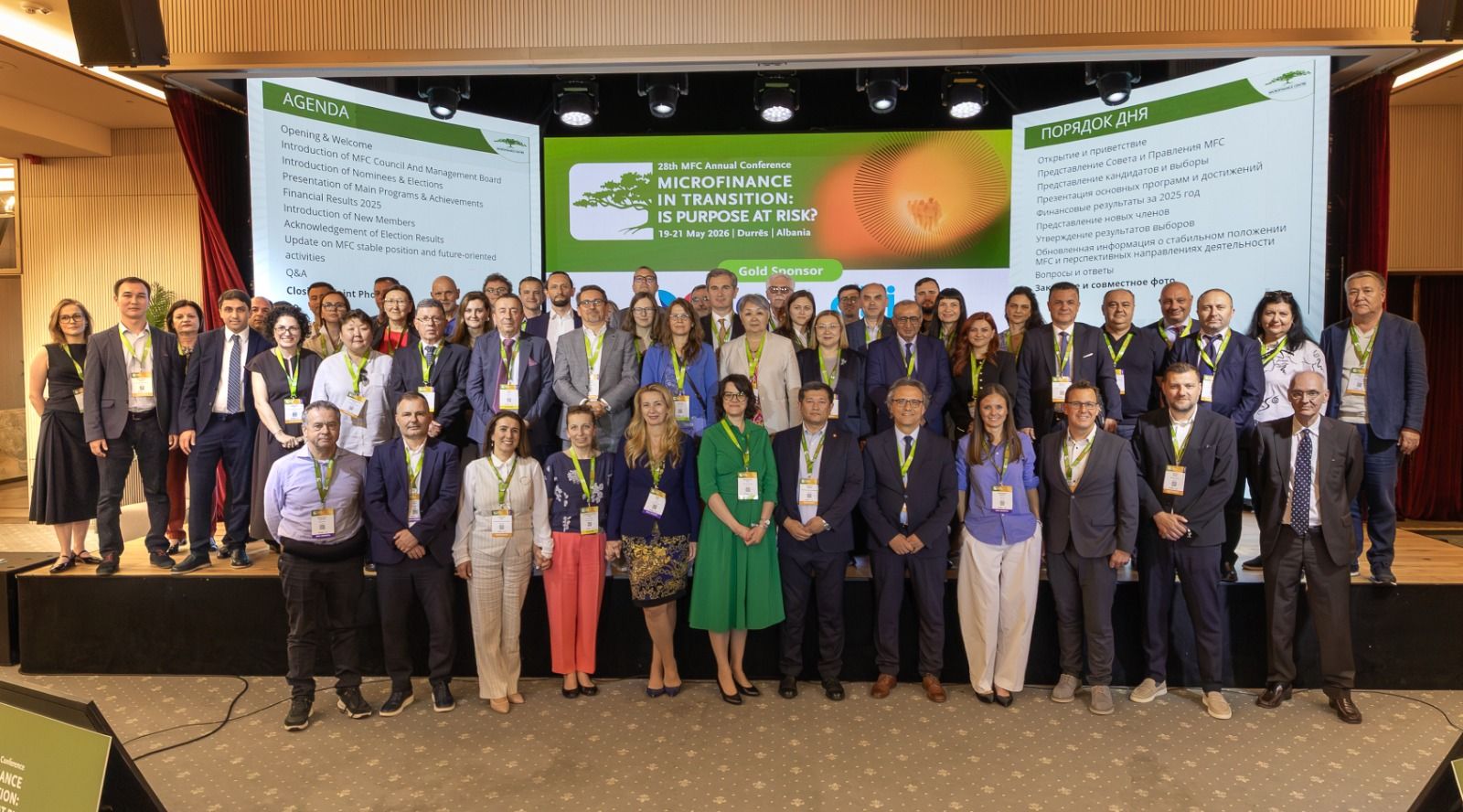
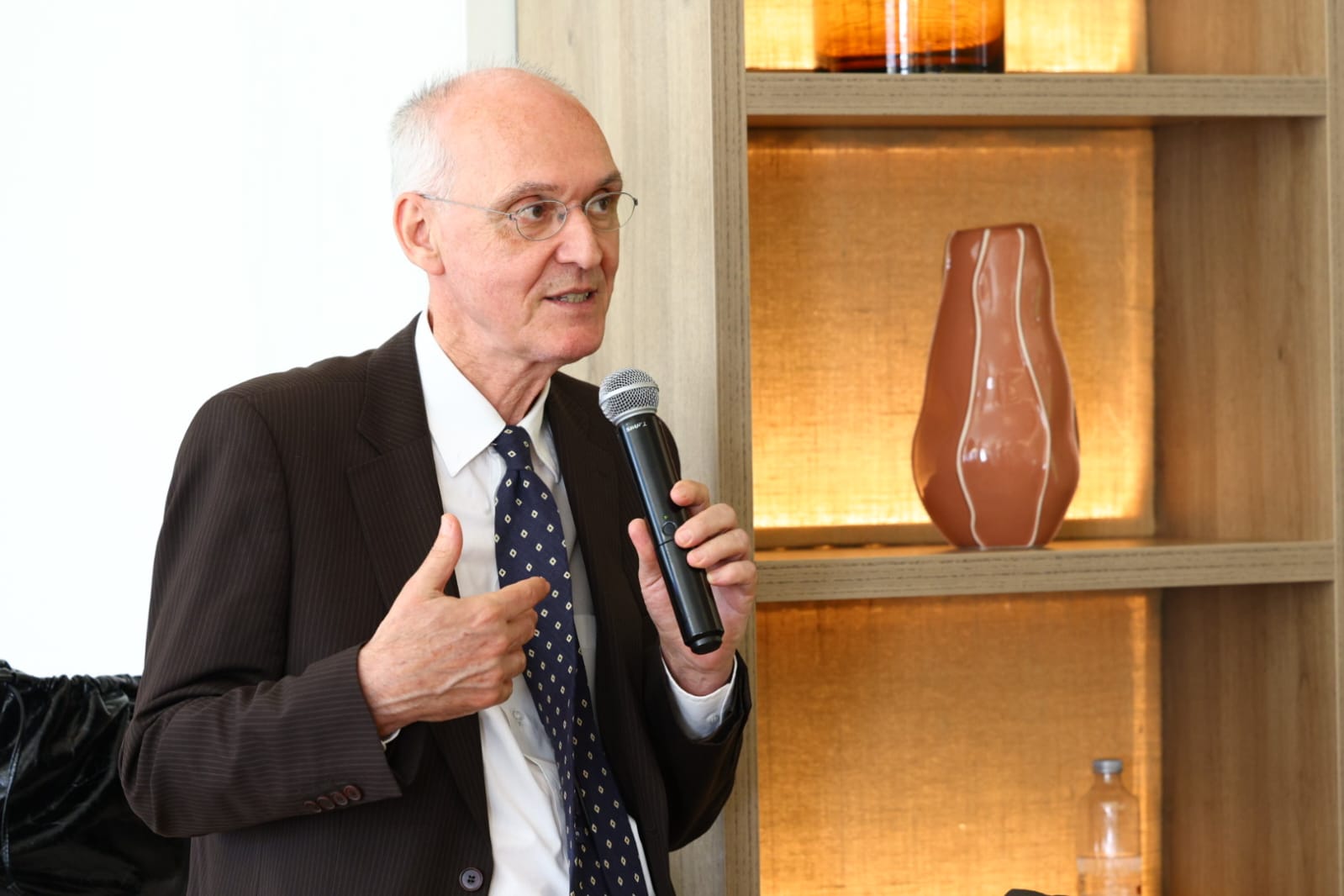
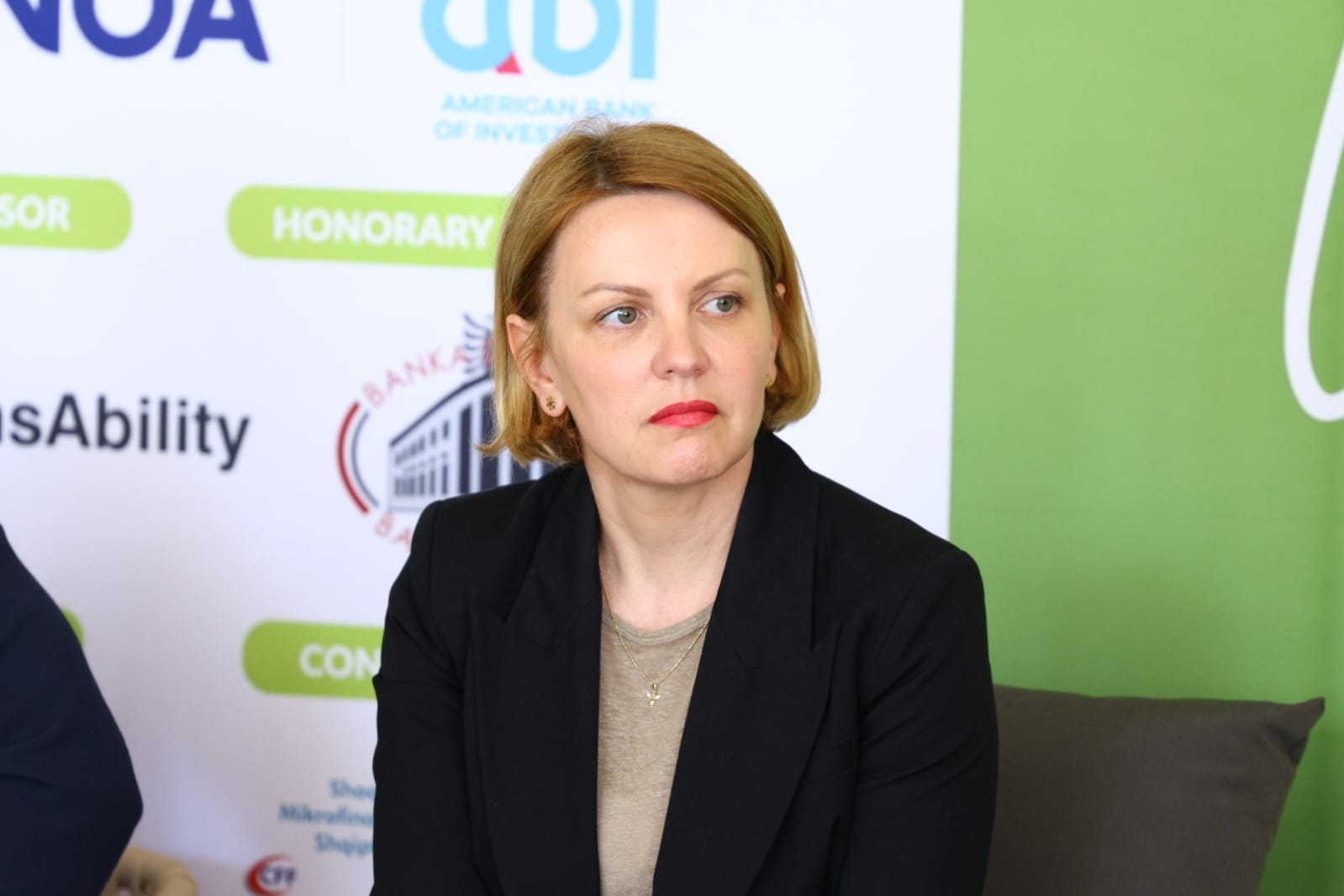
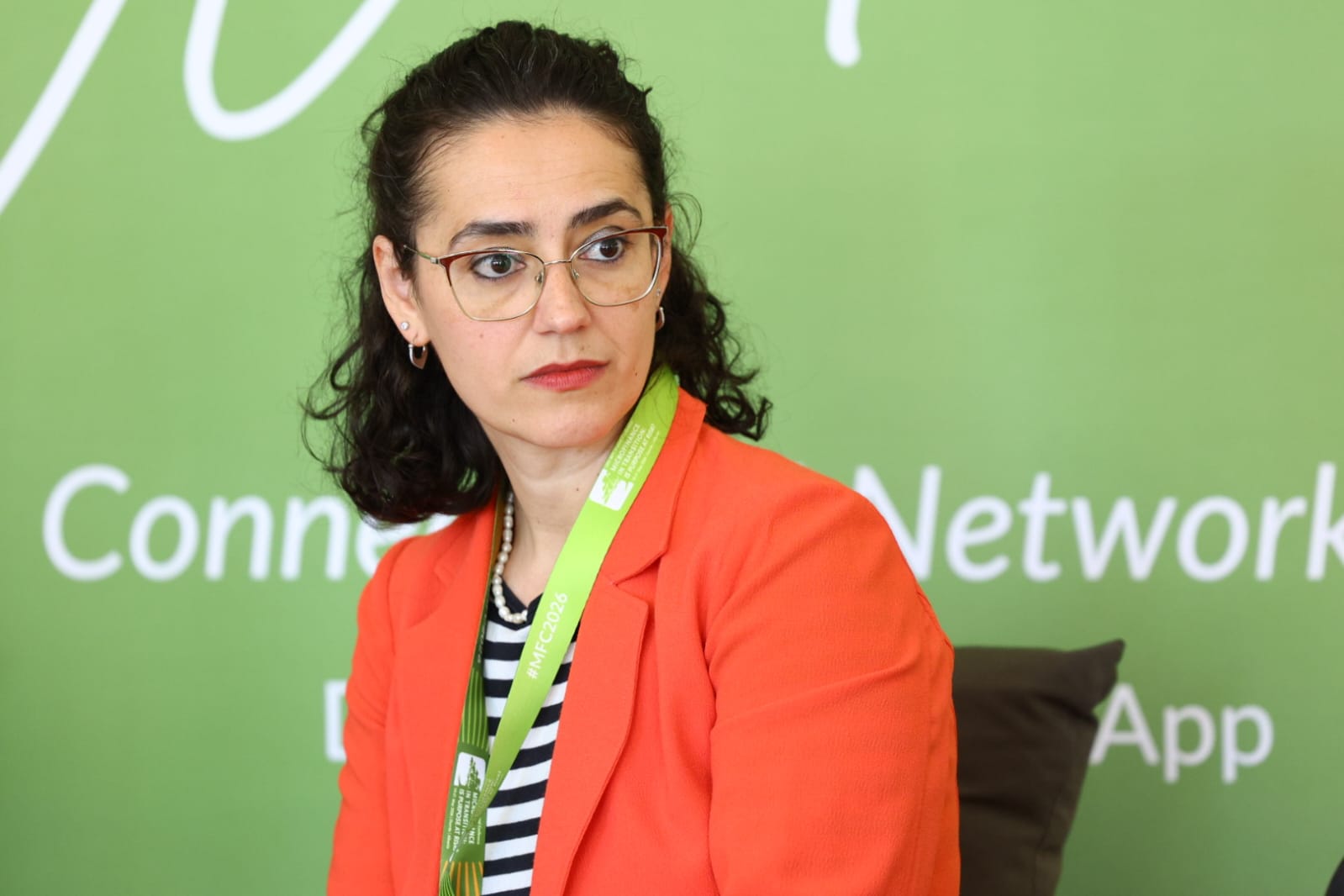
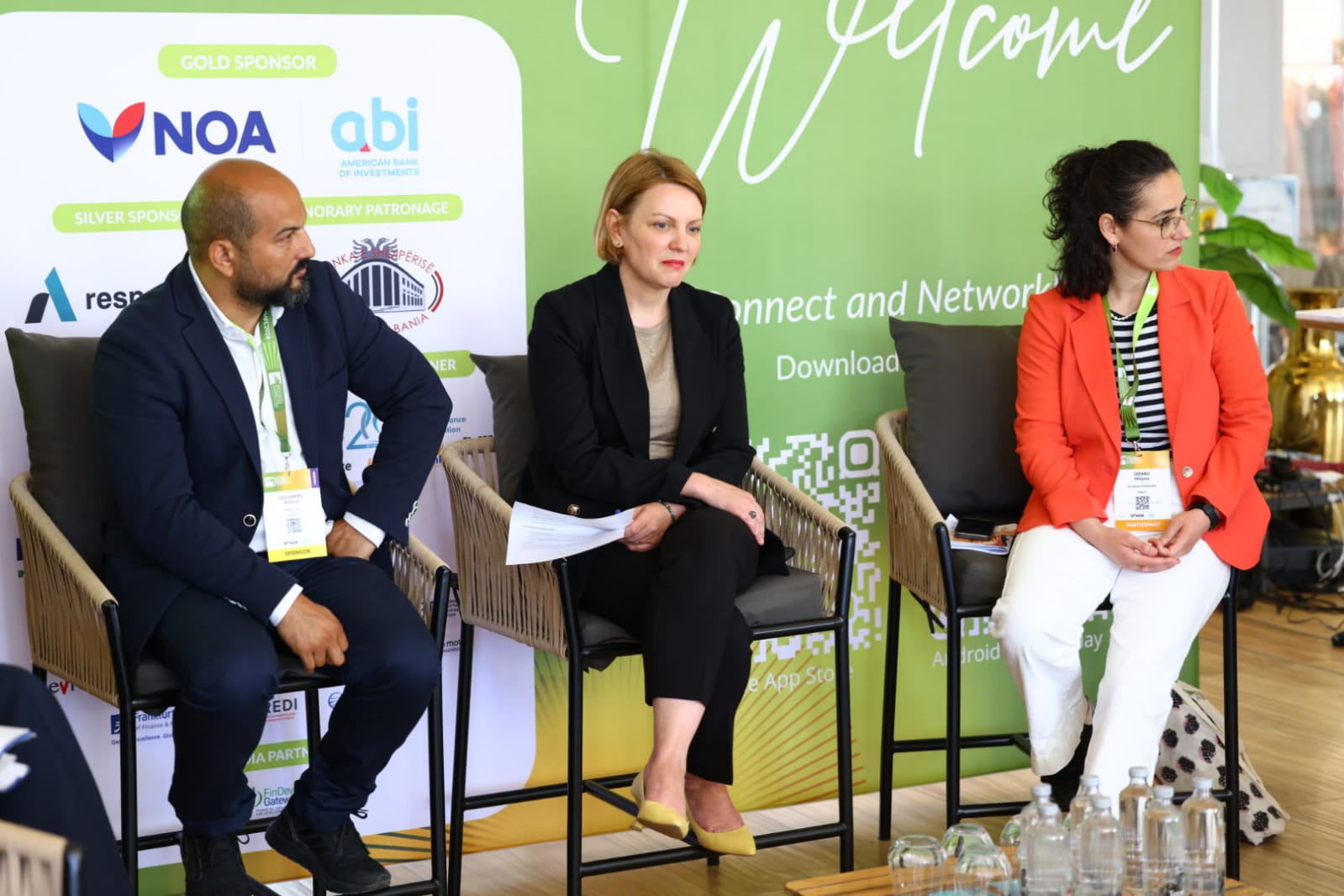
This was the starting point for the discussion on the Balkans–Mediterranean Corridor: Capital, Cooperation & Capacity in Transition, moderated by Giampietro Pizzo, President of RITMI – Italian Microfinance Network, within the framework of the Annual Conference of the Microfinance Centre. The panel featured the participation of:
Mirjona Sadiku – European Commission, DG ENEST;
Svetlana Roganović – VisionFund International;
Lucia Bonelli – Cassa Depositi e Prestiti, Italy;
Esad Uzunić – EKI Sarajevo;
Albana Pelinku – ABI Bank / NOA Albania;
Petru Dulgheru – REDI Fund.

At the heart of the debate was a very concrete issue: how to support businesses that fall between microcredit and bank lending. These are often dynamic enterprises, with growth potential, but still lacking adequate guarantees, structured financial statements, or a sufficient credit history to access ordinary financial channels. This is the so-called missing middle, a space that is now crucial for the economic development of local territories.
For microfinance institutions, this evolution opens up new opportunities, but it also requires a qualitative leap. Greater operational capacity is needed, along with more robust risk assessment tools and adequate internal skills to support more structured enterprises. The issue is not simply to increase the supply of credit, but to accompany pathways of business growth and formalisation.
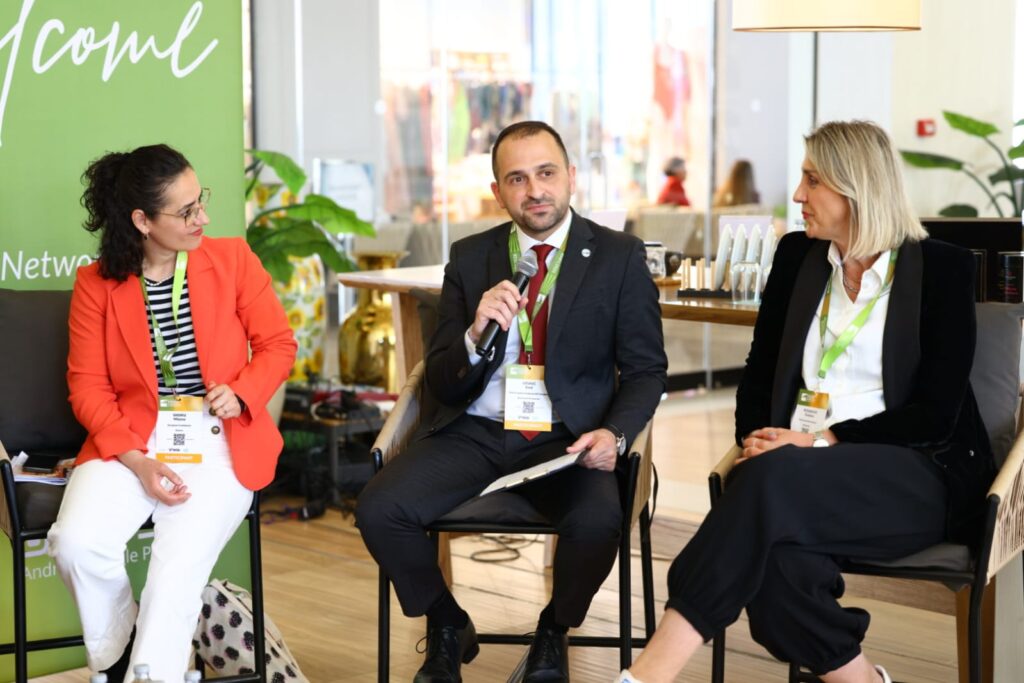
In this context, the European Union can play a decisive role. Guarantees, partnerships between public institutions and private investors, and institutional strengthening programmes can help attract new investors and development agencies, contributing to greater regional and transregional economic integration.
Cooperation among local development actors remains an essential condition. This process requires the active involvement of public institutions, at both local and European levels, which are called upon to foster dialogue and create the conditions for effective partnerships. MFIs bring to this ecosystem their direct knowledge of territories, communities, and clients’ needs; banks and investors, on the other hand, can provide capital, financial guarantee instruments, and the ability to operate at scale. From this complementarity, models can emerge that are able to reduce the gap between microcredit and bank lending, offering more tailored responses for growing enterprises.
A stronger and more coordinated ecosystem can also help address one of the most complex challenges in the region: informality. Without incentives for business registration, administrative simplification, and enabling regulatory frameworks, many economic activities will continue to remain outside formal financial circuits, with negative effects not only for individual entrepreneurs but also for entire territories.
Financial inclusion and regional economic networks
The experience of the REDI Fund – Roma Entrepreneurship Development Initiative shows the potential of a highly targeted approach. By supporting entrepreneurs and start-ups from the Roma community and working directly with local communities, finance can become a tool for economic inclusion, the creation of transnational networks, and the valorisation of entrepreneurial energies that are often excluded from traditional markets.
The Balkans–Mediterranean corridor therefore represents not only a geographical space, but also a strategic field for cooperation and development. From this perspective, RITMI reaffirms its commitment to promoting dialogue between microfinance, local development, and European integration.